Chapter 17 · Sixteen-to-Eight
Six weeks in. Lab numbers shift. A parking lot. A sob she has earned.
It happened on a Tuesday morning, six weeks and three days after her appointment with Dr. Reyes.
She woke at five-forty, on her own, before the alarm, the way she had begun, in the past ten days, to wake. She did not, for the first thirty seconds, remember why she was waking. She lay in the dim dark, in the gray dawn, and she felt — distinctly — the small, alert pleasure of a body that was, for once, rested. She put her hand on her right side. The ache was there, but it was small, and it was quiet, the way an old radiator is quiet when the heat has come up.
She picked up her phone.
The ring was almost full. The timer in the center read 15:47. Beneath it, in soft letters: Thirteen minutes. You're almost home.
She had set the window, the night before, to sixteen hours.
She had not, before, pushed past fourteen. She had read about sixteen-to-eight — sixteen hours of fasting, eight hours of eating — and she had, two nights before, lying on the couch, looked at the app and selected, with a small, breath-held tap of her thumb, the toggle that asked her if she would like to extend her window. Build up slowly, the coach had said. Try one night this week. See how you feel.
She had tried one night. She had eaten dinner at six. She had not eaten again until ten in the morning. She had felt — to her own surprise — better. Lighter, in a way that was not about weight. Calmer. The afternoon dip in her energy, which had haunted her for years, had not come. She had slept, that night, deeply, and the next morning, when she had opened the app, the Liver Score — which had been climbing, slowly, like a tide, for six weeks — had ticked up by three points.
She tried again, the second night. Easier.
By the third night, this Tuesday morning, she lay in the dim gray dawn and watched the ring close. The phone made the small wind-instrument note. You completed your window. Sixteen hours.
She got up. She drank a glass of water at the kitchen sink. She did not, immediately, eat. She walked four blocks. She came back. She made a vegetable omelet — three eggs, a handful of spinach, a cube of feta, a slice of tomato — and she ate it slowly, sitting at the small wooden table, in a square of new sunlight.
That afternoon, she had a follow-up appointment with Dr. Reyes.
It was, in the corridor, a familiar walk. She knew, now, the way the small fountain in the lobby sounded. She knew, now, where the elevator's mirror was. She knew, now, the smell of the soap they used in the exam rooms.
Jocelyn took her blood again. Jocelyn, with the tourniquet in her hands, said, "Sweetheart, you look different."
"Different good or different bad."
"Sweetheart, you came in here six weeks ago, your face was gray. Today your face is — your face is a face."
"I'm walking. I'm fasting. I'm sleeping."
"Mm-hm."
"I made black beans with my neighbor."
"Mm-hm."
Dr. Reyes came in twenty minutes later, with a clipboard and a small, careful expression. She sat on her stool. She looked at the page in front of her. She looked up.
"Eleanor."
"Yes."
"Your ALT was one-twelve. Today it's seventy-eight."
"Okay."
"Your AST was eighty-four. Today it's fifty-nine."
"Okay."
"Your fasting glucose was one-eighteen. Today it's one-oh-six."
"Okay."
"Your triglycerides were two seventy-four. Today they're one ninety-one."
Ellie stared at her doctor. She did not yet understand the weight of what she was being told, in the way a person freshly handed good news sometimes does not. The numbers had moved. The numbers had moved. She had been afraid — afraid in a small, secret part of herself that she had not, until that moment, admitted she was afraid in — that the numbers would not move at all. That all the walking, all the fasting, all the salads and black beans and refused donuts and 5 AM bedtimes, would change nothing, and that she would walk into this office and Dr. Reyes would tell her, kindly, that her body had decided not to listen.
Her body had listened.
"Doctor."
"Yes, Eleanor."
"Are you sure these are mine."
Dr. Reyes laughed. It was the first time Ellie had heard her laugh, and it was a low, small, pleased laugh, the laugh of a doctor who has sat across from many patients and has the right, sometimes, to enjoy the good news.
"I'm sure, Eleanor. I am very sure. I am delighted."
"It's been six weeks."
"It has."
"Is that — is that fast?"
"It's a good sign that you're responsive. Some people take longer. Some people take less time. Your liver is talking back, Eleanor. It is telling us that what you are doing is working. Which means: you do more of it. We don't change anything. We don't add anything. We continue. And we check again in three months."
"Three months."
"Three months."
"Okay."
"Eleanor."
"Yes."
"What are you doing differently? Walk me through."
Ellie did. She told her about the donut funeral. She told her about Beatriz. She told her about the bench, and Linh's class, and the sixteen-hour window, and the way she had, three weeks before, started taking magnesium at night, and the way her sleep, in consequence, had — she now understood — been transformed. She told her about Marcus.
When she finished, Dr. Reyes was quiet for a long moment. She set her clipboard down. She looked at Ellie with a face Ellie had not seen on a doctor before — the face, she thought afterward, of a person who has been in the room with bad news for so long that she has begun, sometimes, to forget what good news feels like.
"Eleanor," Dr. Reyes said. "Most of my patients do not do what you are doing. Most of them try, and fall, and try again, and fall again, and that is human, and I do not blame them. But what you have done, in six weeks — with a little girl, and a deadline, and a brother, and a mother who is not, I gather, easy — what you have done, Eleanor, is a thing I am going to think about today. I am going to think about it driving home. So I want to ask you, please, before you go: keep doing it. Do not stop."
"I won't."
"And if you do stop — if you have a bad week, a bad month — come back. Don't disappear. Don't ghost me. The patients who get into trouble are not the ones who fall down. The patients who get into trouble are the ones who fall down and are too ashamed to come back."
"I won't disappear."
"Promise."
"I promise."
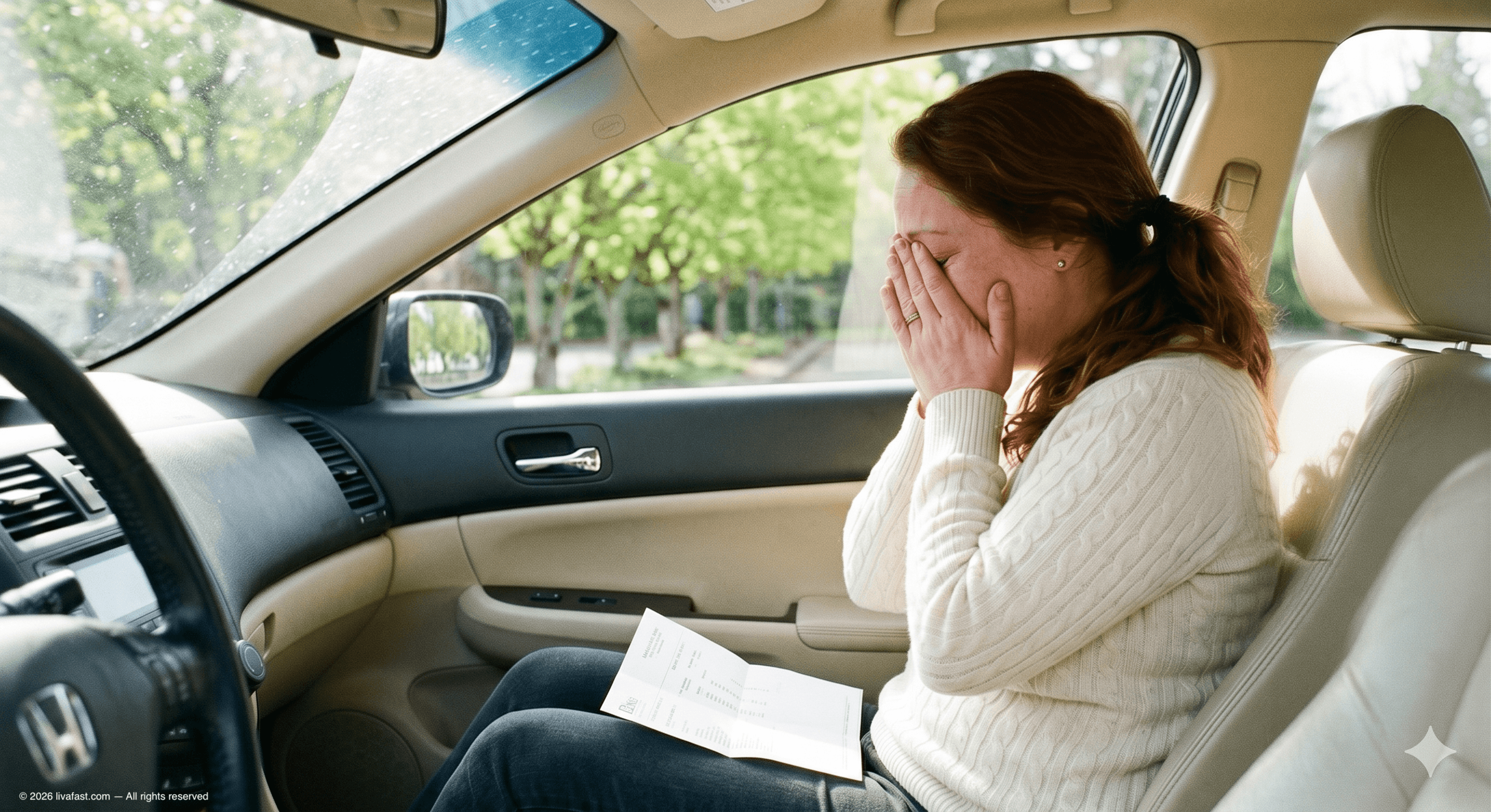
She walked out of the office. She got into her car. She did not, at first, drive. She sat in the parking lot, with her hands on the wheel, and she looked, through the windshield, at the small line of dwarf maples that the hospital had planted along the lot's edge, and she felt — beneath her ribs — the small, steady, responsive organ that had, for six weeks, been doing what she had been asking it to do.
She put her face in her hands.
She did not cry. She had cried so many times in the past six weeks that she had begun, almost, to use up the tears. What she did, instead, was a thing she had not done in years.
She prayed. Or something close. She was not a religious person. She did not, in the conventional sense, believe in a god. But she sat in the car and she put her face in her hands and she said — in her mind, very clearly, to whatever it was inside her that had been listening — Thank you. Thank you. Thank you. Thank you.
Then she drove to Beatriz's house. She climbed the stairs. She knocked on the door.
When Beatriz opened it, Ellie said only, "My numbers are coming down."
Beatriz, in the doorway, in her flowered apron, with the white dog winding around her ankles, looked at her for a long moment.
Then Beatriz, who almost never raised her voice, raised her voice. She tipped her head back, and she said, to the ceiling, to the building, to the autumn afternoon, "Gracias, Dios. ¡Gracias!"
She pulled Ellie into the small apartment. She put her hands on Ellie's face. She kissed her, hard, on the forehead.
"Did you tell the little girl?"
"I came here first."
"¡Mi'ja! You go home. You tell the little girl. You tell her now."
Ellie laughed, and went home, and told the little girl. Sophie, hearing the news, climbed onto her mother's lap on the couch, again, the way she had on the bad night of the headaches, and put her arms around her mother's neck, and said — into her hair, in the small, fierce voice of a child who had been trying not to ask questions for six weeks — I knew it, Mom. I knew it, I knew it, I knew it.
Track this in LivaFast
Your FIB-4 score updates automatically from your labs.